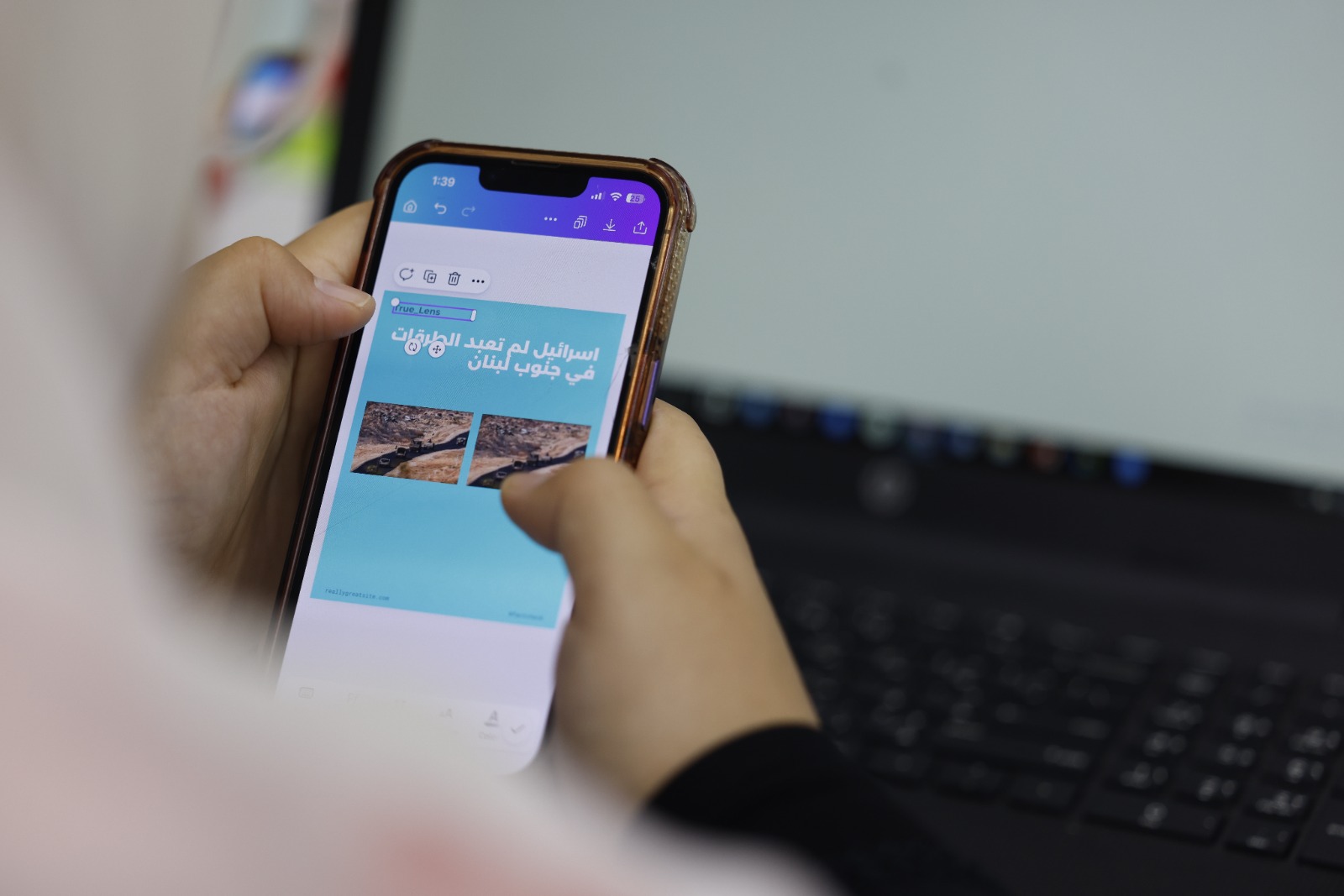
Verify before you amplify: the five questions I ask before forwarding anything
Lina Hammoud

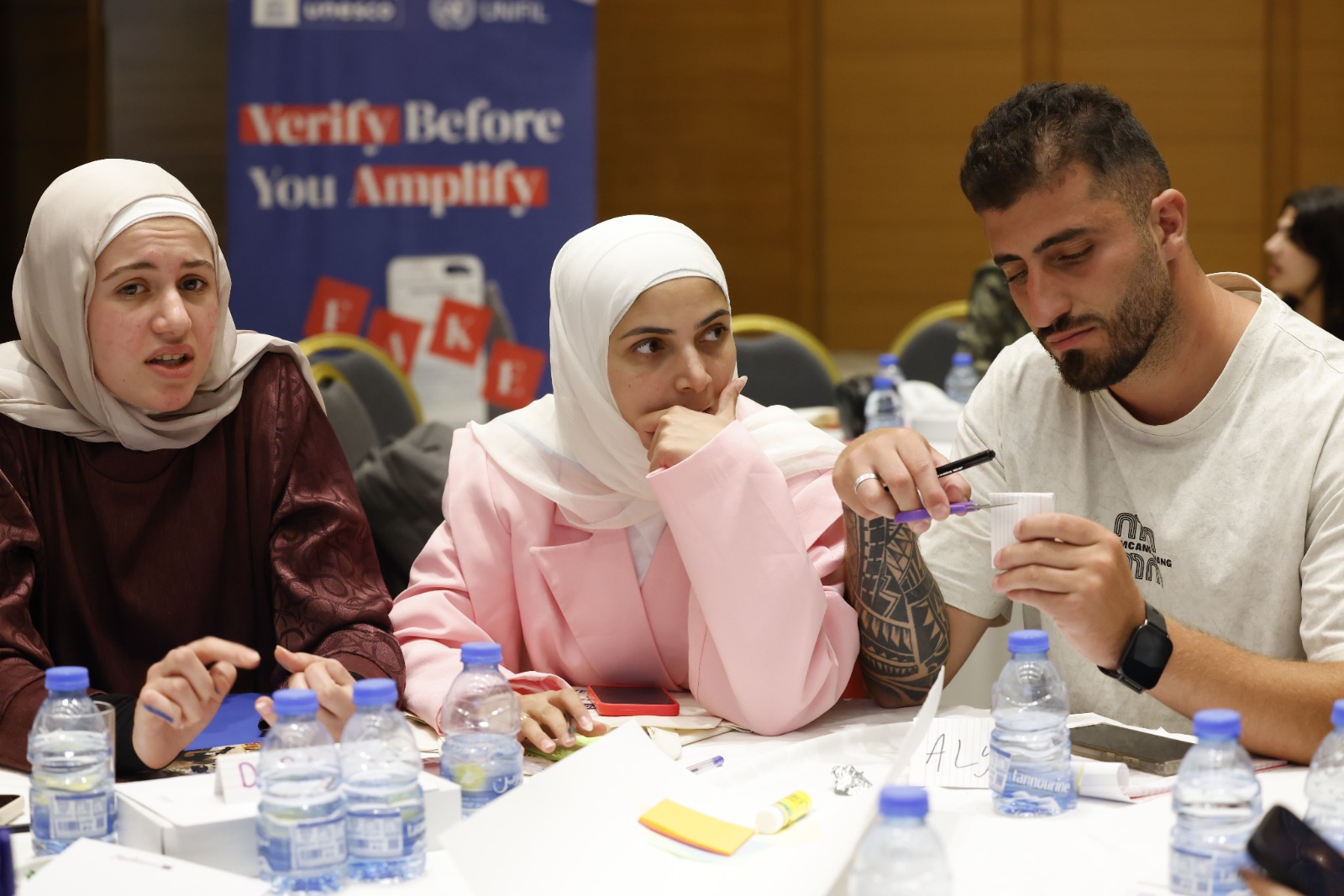
In one of our sessions with the Youth Empowerment Project, a big banner stood behind the trainers: Verify Before You Amplify. I took a photo of it and set it as my phone wallpaper, because I knew I would need the reminder.

Before the training, I forwarded things the way most of us do in Lebanon: a voice note in the family group, a screenshot from a page I don't know, an "urgent" warning about a road or a power cut. If it looked important, I passed it on. Now I stop and ask five questions first.

The five questions

  1. Who is speaking? Is there a name, an outlet or an official account behind it, or just "a friend of a friend"?
  2. When was it published? Old photos and videos come back every time something happens. A date can change the whole meaning.
  3. Where else is it reported? If a story is real and big, more than one reliable source will have it.
  4. What does it want from me? Anger, fear and "share before it's deleted" are red flags.
  5. Can I check the picture? A reverse image search takes less than a minute and often shows where a photo really comes from.
Forwarding is publishing. The moment you press send, you become part of the story.

None of this takes long. Most of the time, two or three questions are enough to decide. And when I can't find an answer, I simply don't forward it. Silence is also a choice.

If you want a short explanation of why false stories travel so far, the video below helped our group a lot.
Source: unesco.org/en/media-information-literacy

Comments3

Log in to join the discussion.

Log in

More related content

Keep exploring related content from the community, with more stories, insights, and experiences connected to the topics that interest you.

Article

Story Walk Into Truth: Youth from South Lebanon Strengthen Critical Thinking and Media and Information Literacy

In TrainingVerification

More than 50 young women and men from South Lebanon came together through the Youth Empowerment Project in South Lebanon, funded by UNIFIL…

Bilal Khatib4 weeks ago


Share

Story Walk Into Truth: Youth from South Lebanon Strengthen Critical Thinking and Media and Information Literacy

Report this content

Help us keep Digital Citizens Hub accurate and safe. Why are you reporting this article?

Article

From trainee to trainer: why we pass it on

In TrainingVerification

On our last training day, everyone gathered for a group photo, certificates in hand. Someone joked that we were now "certified…

Ali Srour4 weeks ago


Share

From trainee to trainer: why we pass it on

Report this content

Help us keep Digital Citizens Hub accurate and safe. Why are you reporting this article?

Article

No Filter: the Lebanese campaign that asks us to think again

In TrainingVerification

If you've been scrolling Lebanese social media lately, you may have come across No Filter: Believe Everything? Think Again. It's a national…

Karim Fakih4 weeks ago


Share

No Filter: the Lebanese campaign that asks us to think again

Report this content

Help us keep Digital Citizens Hub accurate and safe. Why are you reporting this article?

Resource

Reading the news like a detective: a lesson plan that worked in my classroom

In TrainingVerification

After the training, several teachers in our group asked the same thing: how do we bring this into a 45-minute class without turning it into…

Rana Khalillast month


Share

Reading the news like a detective: a lesson plan that worked in my classroom

Report this content

Help us keep Digital Citizens Hub accurate and safe. Why are you reporting this article?

Learn it. Test it. Use it. Share it.

The platform is designed around practical learning, not simply providing information. What you learn here is meant to be applied, and passed on.

  • Understanding
  • Practicing
  • Verifying
  • Creating
  • Sharing

Your space starts here

New here?

You can create content, share ideas, and contribute to help others learn, think critically, and become responsible digital citizens.