Loading…
About Us
Learn from others, exchange ideas, share your experience, and contribute to a healthier information environment.
Explore DiscussionsWho We Are
For decades, Media and Information Literacy (MIL) has been at the heart of UNESCO’s mandate. As the United Nations agency responsible for education, science, culture, and communication, UNESCO works to strengthen freedom of expression, promote access to reliable information, and equip people everywhere with the critical thinking skills needed to navigate today’s information environment. This includes the ability to recognize and respond to misinformation, disinformation, malinformation, and hate speech, while promoting ethical communication, media pluralism, and the responsible use of digital technologies. This platform brings that global mission to life in Lebanon, building on a youth-led journey that began in South Lebanon.
From Training to Action
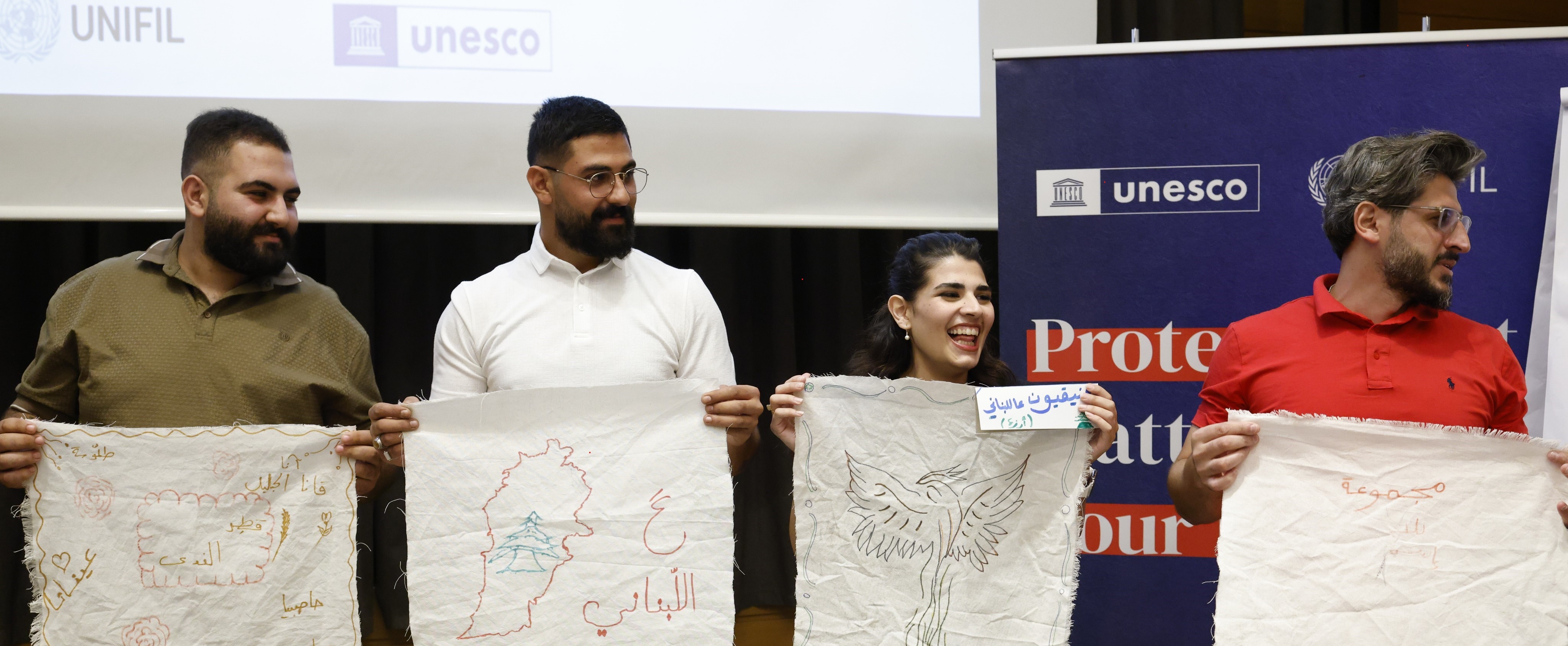
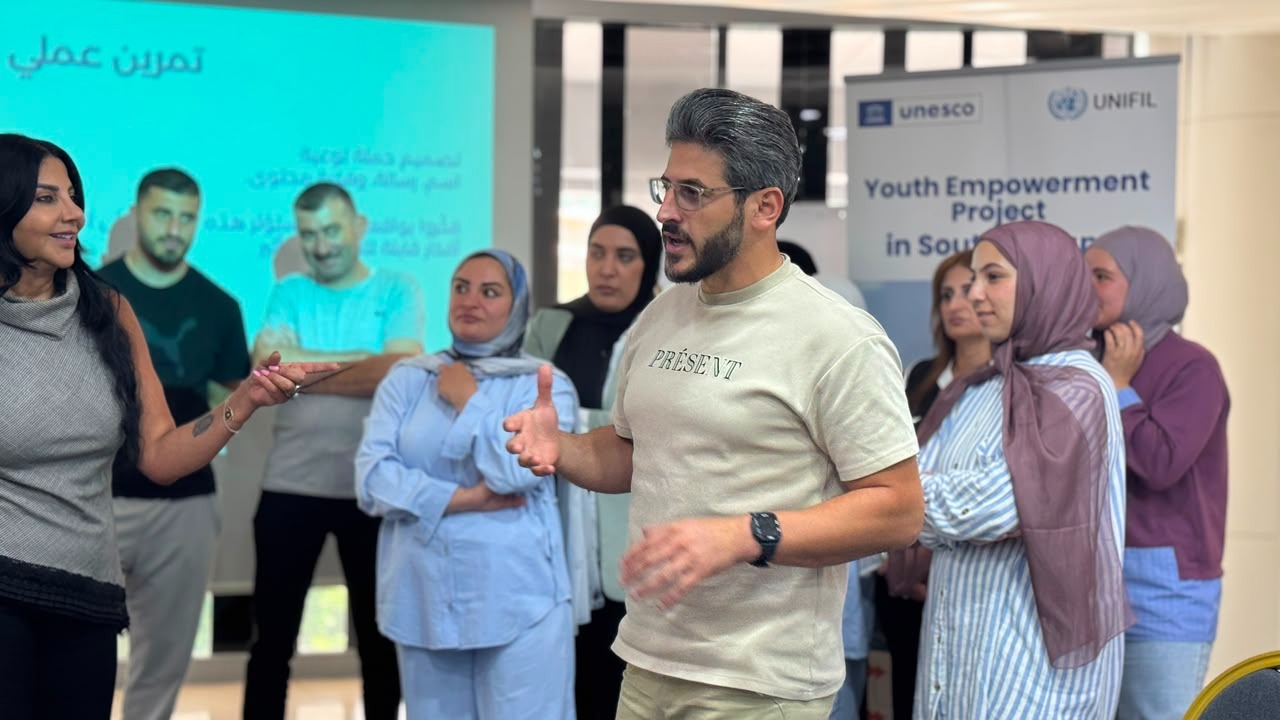
This platform is the next chapter of the Youth Empowerment Project in South Lebanon, funded by UNIFIL, through which UNESCO delivered Media and Information Literacy activities reaching 500 young people and civil society actors across South Lebanon. As conflict unfolded and false narratives, manipulated images, rumors, and harmful content spread rapidly, at precisely the moments when access to reliable information mattered most, participants did not stop learning. Through flexible online, hybrid, and in-person approaches, the project continued to equip young women and men with practical skills in critical thinking, information verification, misinformation and disinformation detection, cybersecurity, responsible digital engagement, and content creation. The journey continued with an Advanced Media and Information Literacy Bootcamp, bringing together 90 young people aged 18–35 from South Lebanon and conflict-affected areas who had successfully completed previous phases of the project. The intensive training strengthened their skills in advanced digital verification, fact-checking, source verification, geolocation and chronolocation, public speaking, responsible AI use, digital content creation, cybersecurity, privacy, and countering misinformation, disinformation, and hate speech. But the training was designed to go beyond the classroom. Following the Bootcamp, 33 participants were selected to take part in a Training of Trainers (ToT) program. Through additional training, practical facilitation experience, and mentorship, they were prepared to become community MIL trainers, taking the knowledge and tools they gained back to their own villages and communities. After completing the ToT, these young trainers delivered their own Media and Information Literacy sessions, transferring their knowledge and skills to other community members. This cascading model creates a multiplier effect, one trained person can reach many others, allowing MIL knowledge and practical skills to continue spreading within communities beyond the initial project participants.
01
A Platform Built By and For Youth
The trained youth are not simply audiences for this platform, they are contributors, creators, and future multipliers of its mission. Participants contribute to the development of educational and awareness content, including articles, videos, graphics, stories, campaigns, and other digital materials rooted in their communities and experiences. The platform gives them a space to put their MIL skills into practice and reach audiences far beyond their own villages. Its identity and name were also co-created with youth participants, ensuring that the platform reflects their voice, creativity, and sense of ownership. What started as community-level work in South Lebanon can now reach a much wider audience. A story created by a young person in one village can reach communities across Lebanon, and beyond, helping more people question what they see, verify what they hear, recognize harmful narratives, and engage with information responsibly.
Everything starts with information
Information reaches us from every direction. MIL is the set of skills that turns that flood into something you can actually understand and act on.
Information
- Check
- Think
- Verify
- Create
- Share
MIL Glossary
Curated links to verified fact-checking organizations, reliable information sources, UNESCO, and other trusted resources — clearly identified as external links.
- MILMedia and Information Literacy
- The ability to access, understand, evaluate, verify, create, and responsibly use information and media. MIL helps people think critically about what they see and hear, recognize misinformation and disinformation, understand how media and digital platforms work, and make informed and responsible decisions online. In simple words: MIL means knowing how to find, understand, check, create, and share information responsibly.
- Misinformation
- False or inaccurate information that is shared without the intent to cause harm. The person sharing it often believes it's true. Example: sharing an outdated news article thinking it's current.
- Disinformation
- False information that is created and shared deliberately to deceive, manipulate, or cause harm. Unlike misinformation, disinformation involves clear intent. Example: a fabricated story designed to damage someone's reputation or influence public opinion.
- Malinformation
- Information that is based on fact but is shared with the intent to cause harm, often by taking it out of context, exaggerating it, or revealing private information publicly. Example: leaking a private conversation to embarrass someone, even though the content itself is real.
- Hate Speech
- Any form of communication, spoken, written, or visual, that attacks or uses discriminatory language toward a person or group based on identity factors such as religion, ethnicity, nationality, gender, or other characteristics.
- Fact-Checking
- The process of verifying claims, statements, or content against reliable, credible sources before accepting or sharing them as true.
- Prebunking
- A proactive approach to countering disinformation by teaching people to recognize manipulation techniques (like false urgency or cherry-picked statistics) before they encounter a specific false claim, building resistance to future variations of it.
- Debunking
- The process of correcting a false claim after it has already spread, by presenting accurate, evidence-based information.
- Deepfake
- AI-generated or AI-manipulated audio, image, or video content designed to convincingly show a person saying or doing something they never actually said or did.
Learn it. Test it. Use it. Share it.
The platform is designed around practical learning, not simply providing information. What you learn here is meant to be applied — and passed on.
- Understanding
- Practicing
- Verifying
- Creating
- Sharing