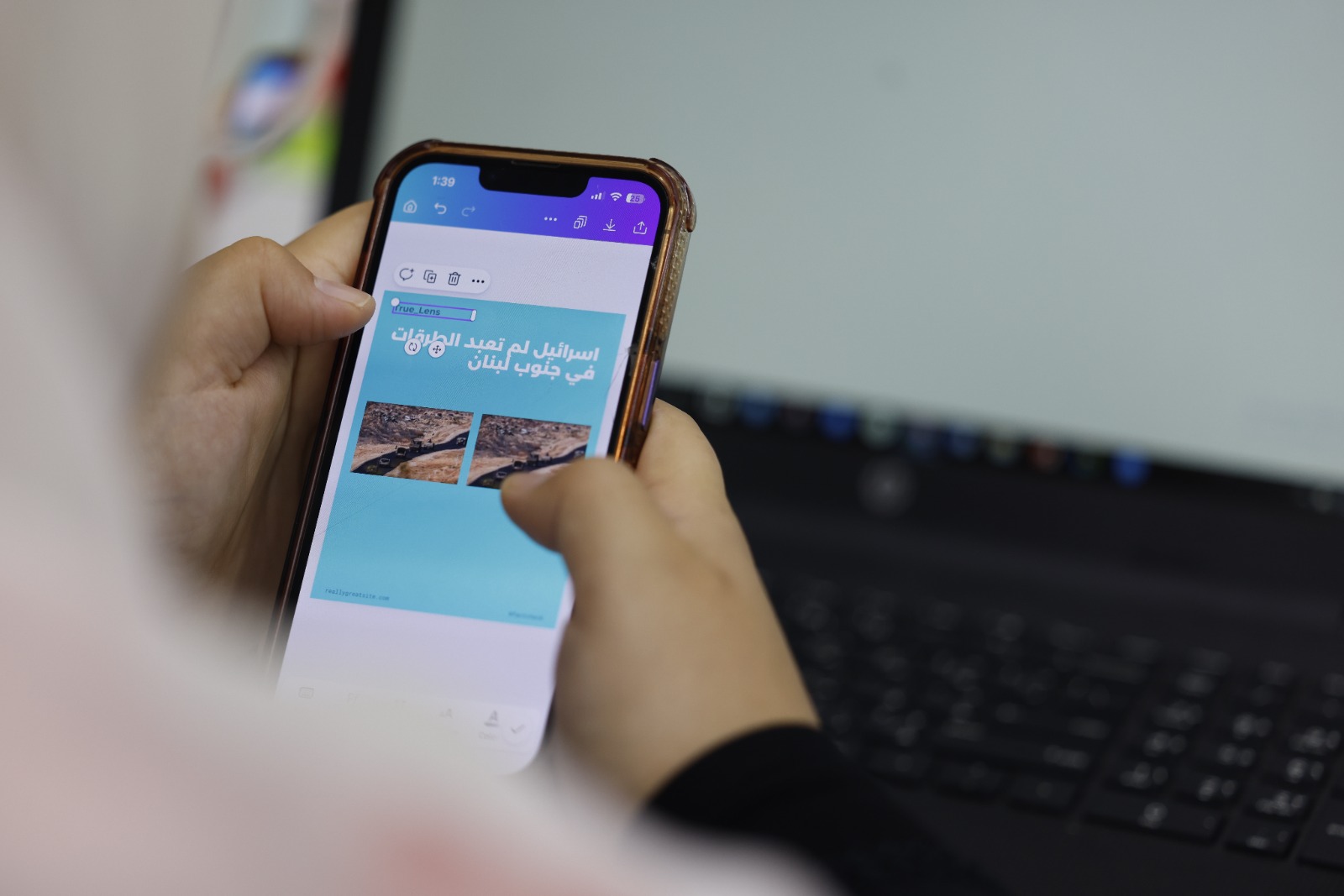
Reading the news like a detective: a lesson plan that worked in my classroom
Rana Khalil

After the training, several teachers in our group asked the same thing: how do we bring this into a 45-minute class without turning it into another lecture? This is the plan I've used three times now, and my students still ask for "the detective lesson".

The 45-minute plan

  1. Warm-up (5 min): show two headlines about the same event, one neutral and one emotional. Ask which one they'd click and why.
  2. Video (5 min): watch the short TED-Ed lesson below on how to choose your news.
  3. Detective work (20 min): groups get a printed post and a checklist: source, date, evidence, who benefits, what's missing.
  4. Report back (10 min): each group gives a verdict and one piece of evidence for it.
  5. Exit ticket (5 min): one thing they will check next time before sharing.

What I learned

  • Use posts from their world (sports, celebrities, school rumours), not politics.
  • Let them be wrong. The discussion after a wrong verdict is the best part.
  • Give them a phrase to use with friends: "Where did you see this?" is enough.

If you try it, tell me in the comments how it went. I'd love to collect versions from other schools in the South.
Comments3

Log in to join the discussion.

Log in

More related content

Keep exploring related content from the community, with more stories, insights, and experiences connected to the topics that interest you.

Article

Story Walk Into Truth: Youth from South Lebanon Strengthen Critical Thinking and Media and Information Literacy

In TrainingVerification

More than 50 young women and men from South Lebanon came together through the Youth Empowerment Project in South Lebanon, funded by UNIFIL…

Bilal Khatib4 weeks ago


Share

Story Walk Into Truth: Youth from South Lebanon Strengthen Critical Thinking and Media and Information Literacy

Report this content

Help us keep Digital Citizens Hub accurate and safe. Why are you reporting this article?

Article

From trainee to trainer: why we pass it on

In TrainingVerification

On our last training day, everyone gathered for a group photo, certificates in hand. Someone joked that we were now "certified…

Ali Srour4 weeks ago


Share

From trainee to trainer: why we pass it on

Report this content

Help us keep Digital Citizens Hub accurate and safe. Why are you reporting this article?

Article

No Filter: the Lebanese campaign that asks us to think again

In TrainingVerification

If you've been scrolling Lebanese social media lately, you may have come across No Filter: Believe Everything? Think Again. It's a national…

Karim Fakih4 weeks ago


Share

No Filter: the Lebanese campaign that asks us to think again

Report this content

Help us keep Digital Citizens Hub accurate and safe. Why are you reporting this article?

Audio

Our first 60-second audio fact-check, recorded on our phones

In TrainingVerification

One of the group exercises in our training looked simple on paper: take a rumour, check it, and explain the result in a voice note of one…

Rana Khalillast month


Share

Our first 60-second audio fact-check, recorded on our phones

Report this content

Help us keep Digital Citizens Hub accurate and safe. Why are you reporting this article?

Learn it. Test it. Use it. Share it.

The platform is designed around practical learning, not simply providing information. What you learn here is meant to be applied, and passed on.

  • Understanding
  • Practicing
  • Verifying
  • Creating
  • Sharing

Your space starts here

New here?

You can create content, share ideas, and contribute to help others learn, think critically, and become responsible digital citizens.