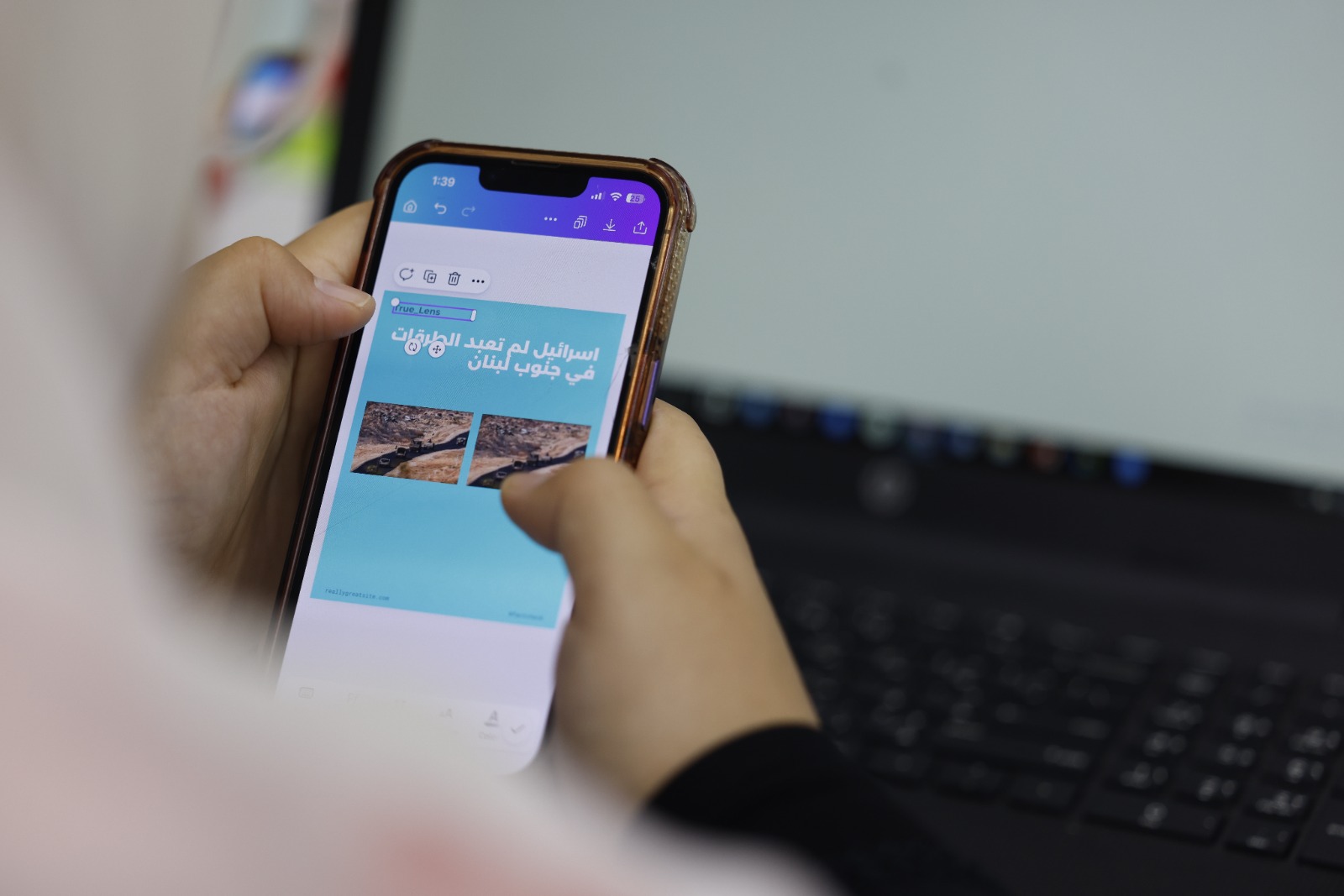
Our first 60-second audio fact-check, recorded on our phones

Rana Khalil

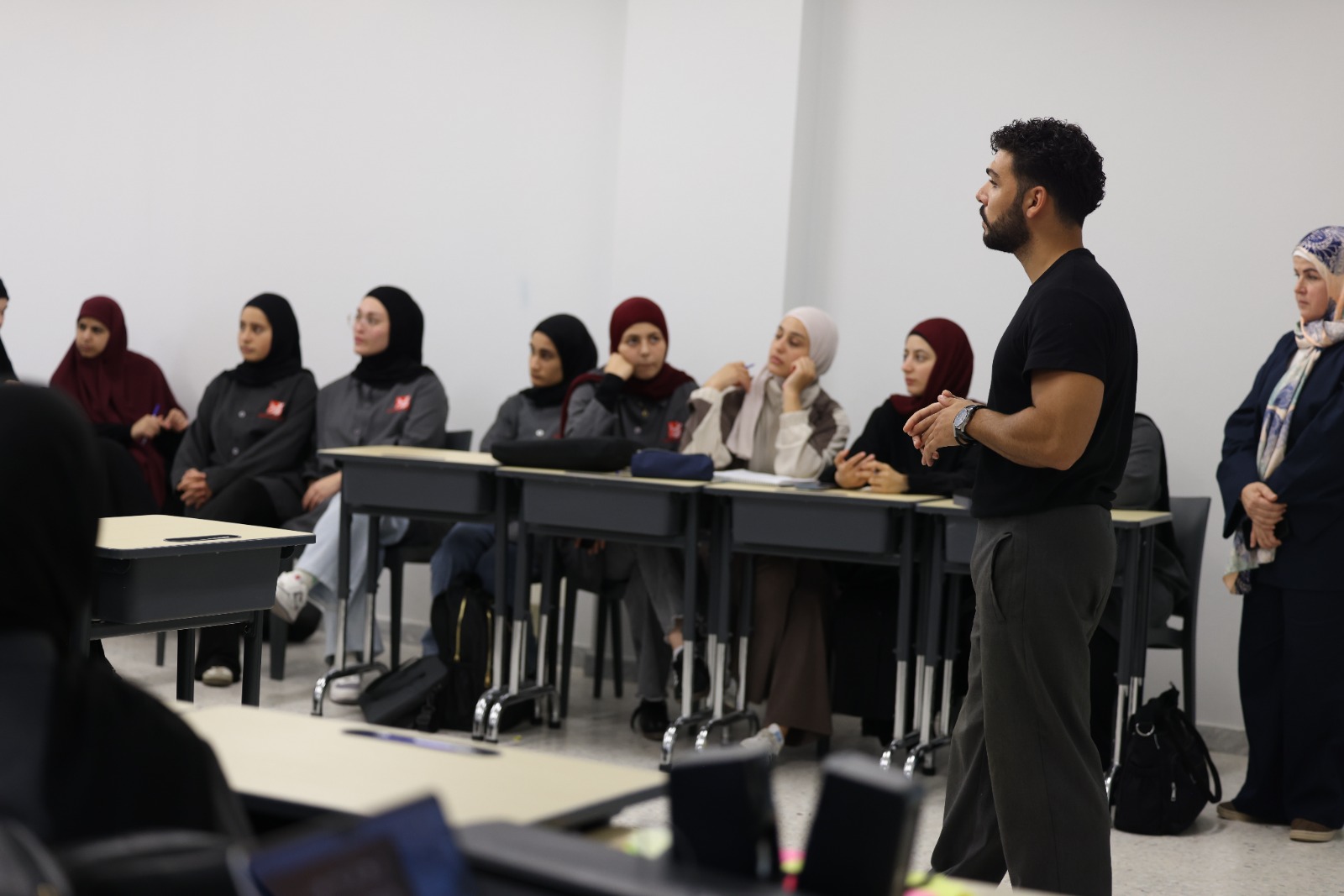
One of the group exercises in our training looked simple on paper: take a rumour, check it, and explain the result in a voice note of one minute or less. The slide on the screen just said "group exercise: the voice". It turned out to be one of the hardest things we did.

Voice notes are how a lot of information moves in Lebanon, especially in family groups. If false claims travel by voice, the correction should be able to travel the same way.

How we did it

  1. Pick one claim. Only one. Two claims in sixty seconds is too much.
  2. Check first, script second. We wrote down the facts before we wrote a single sentence.
  3. Start with the answer. "No, this photo is not from last week's storm" comes before the explanation, not after it.
  4. Name the source out loud. "According to..." makes a correction easier to trust and to check.
  5. Record somewhere quiet. A wardrobe full of clothes is a surprisingly good studio.

What surprised us

  • Our first versions were three minutes long. Cutting them down forced us to understand the claim properly.
  • A calm, friendly tone worked better than sounding like a news anchor.
  • Nobody shares a correction that makes the other person feel stupid.

I've started doing this with my students too. They are much better at the sixty-second limit than we were.
Comments2

Log in to join the discussion.

Log in

More related content

Keep exploring related content from the community, with more stories, insights, and experiences connected to the topics that interest you.

Article

Story Walk Into Truth: Youth from South Lebanon Strengthen Critical Thinking and Media and Information Literacy

In TrainingVerification

More than 50 young women and men from South Lebanon came together through the Youth Empowerment Project in South Lebanon, funded by UNIFIL…

Bilal Khatib4 weeks ago


Share

Story Walk Into Truth: Youth from South Lebanon Strengthen Critical Thinking and Media and Information Literacy

Report this content

Help us keep Digital Citizens Hub accurate and safe. Why are you reporting this article?

Article

From trainee to trainer: why we pass it on

In TrainingVerification

On our last training day, everyone gathered for a group photo, certificates in hand. Someone joked that we were now "certified…

Ali Srour4 weeks ago


Share

From trainee to trainer: why we pass it on

Report this content

Help us keep Digital Citizens Hub accurate and safe. Why are you reporting this article?

Article

No Filter: the Lebanese campaign that asks us to think again

In TrainingVerification

If you've been scrolling Lebanese social media lately, you may have come across No Filter: Believe Everything? Think Again. It's a national…

Karim Fakih4 weeks ago


Share

No Filter: the Lebanese campaign that asks us to think again

Report this content

Help us keep Digital Citizens Hub accurate and safe. Why are you reporting this article?

Resource

Reading the news like a detective: a lesson plan that worked in my classroom

In TrainingVerification

After the training, several teachers in our group asked the same thing: how do we bring this into a 45-minute class without turning it into…

Rana Khalillast month


Share

Reading the news like a detective: a lesson plan that worked in my classroom

Report this content

Help us keep Digital Citizens Hub accurate and safe. Why are you reporting this article?

Learn it. Test it. Use it. Share it.

The platform is designed around practical learning, not simply providing information. What you learn here is meant to be applied, and passed on.

  • Understanding
  • Practicing
  • Verifying
  • Creating
  • Sharing

Your space starts here

New here?

You can create content, share ideas, and contribute to help others learn, think critically, and become responsible digital citizens.