UNESCO and UNIFIL conclude youth empowerment project in South Lebanon with launch of Youth Media Centre and Digital Citizen Hub

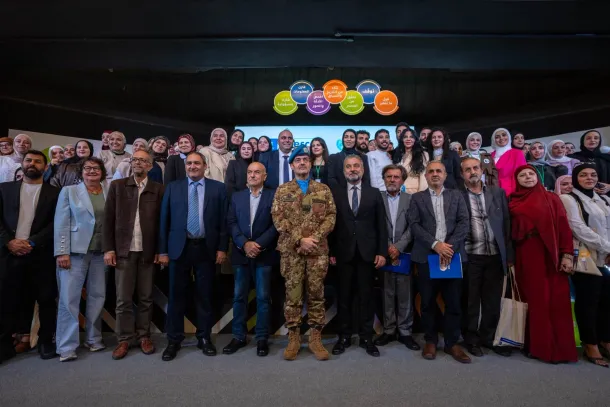
The two-year project reached more than 900 young people across 115 towns and villages, equipping them with media and information literacy skills and establishing lasting spaces for youth-led content creation, digital learning and responsible online engagement.
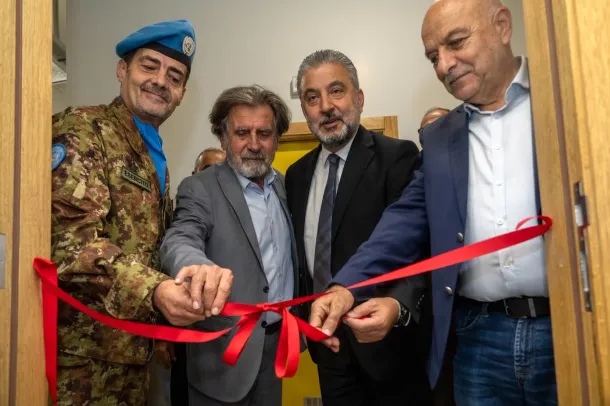
UNESCO and UNIFIL marked the completion of the “Youth Empowerment in South Lebanon” project with the launch of a Youth Media Centre and Digital Citizen Hub, giving young people new spaces and tools to create and share content, strengthen their digital skills and take an active role in the information space.
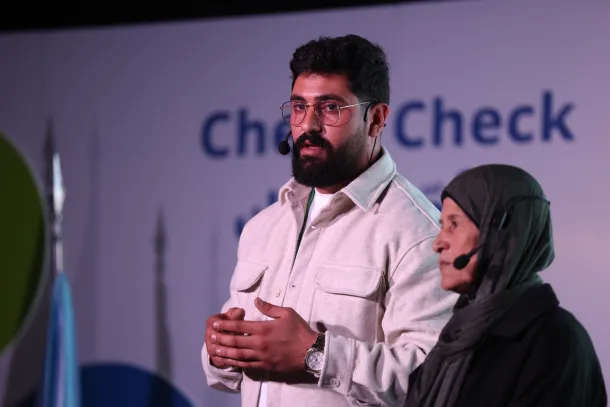
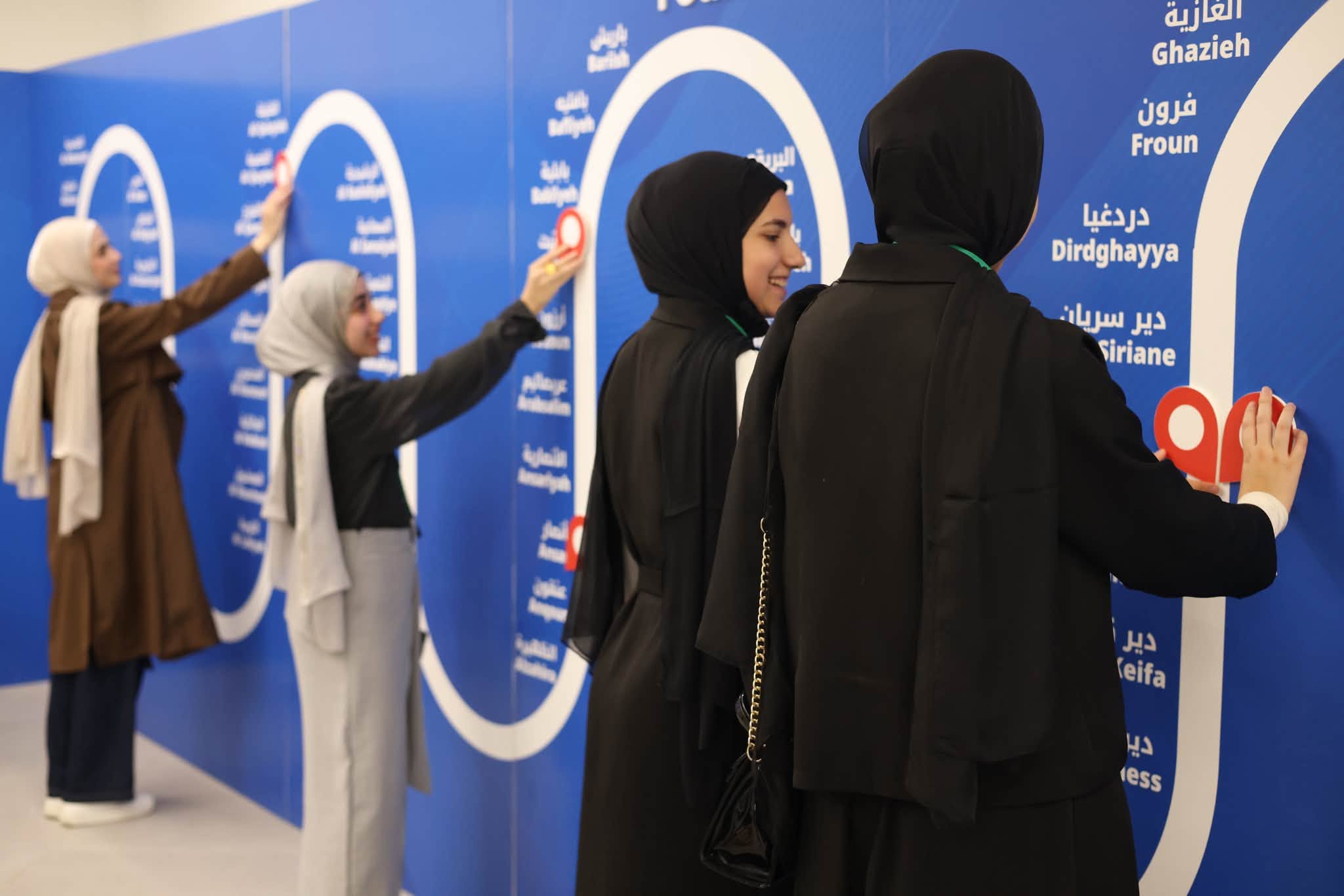
The closing event, held at Imam Sadr Foundation in Tyre, brought together young participants, local partners, municipalities and representatives of UNESCO and UNIFIL to mark the achievements of a two-year initiative focused on Media and Information Literacy, fact-checking, countering misinformation and hate speech, cybersecurity and responsible digital citizenship.
“UNIFIL is proud of your achievements. The future of southern Lebanon is in your hands. Together, we build a more peaceful and stable future. Congratulations to all!” said Major General Diodato Abagnara, Head of Mission and Force Commander of UNIFIL, addressing the young participants at the closing event.
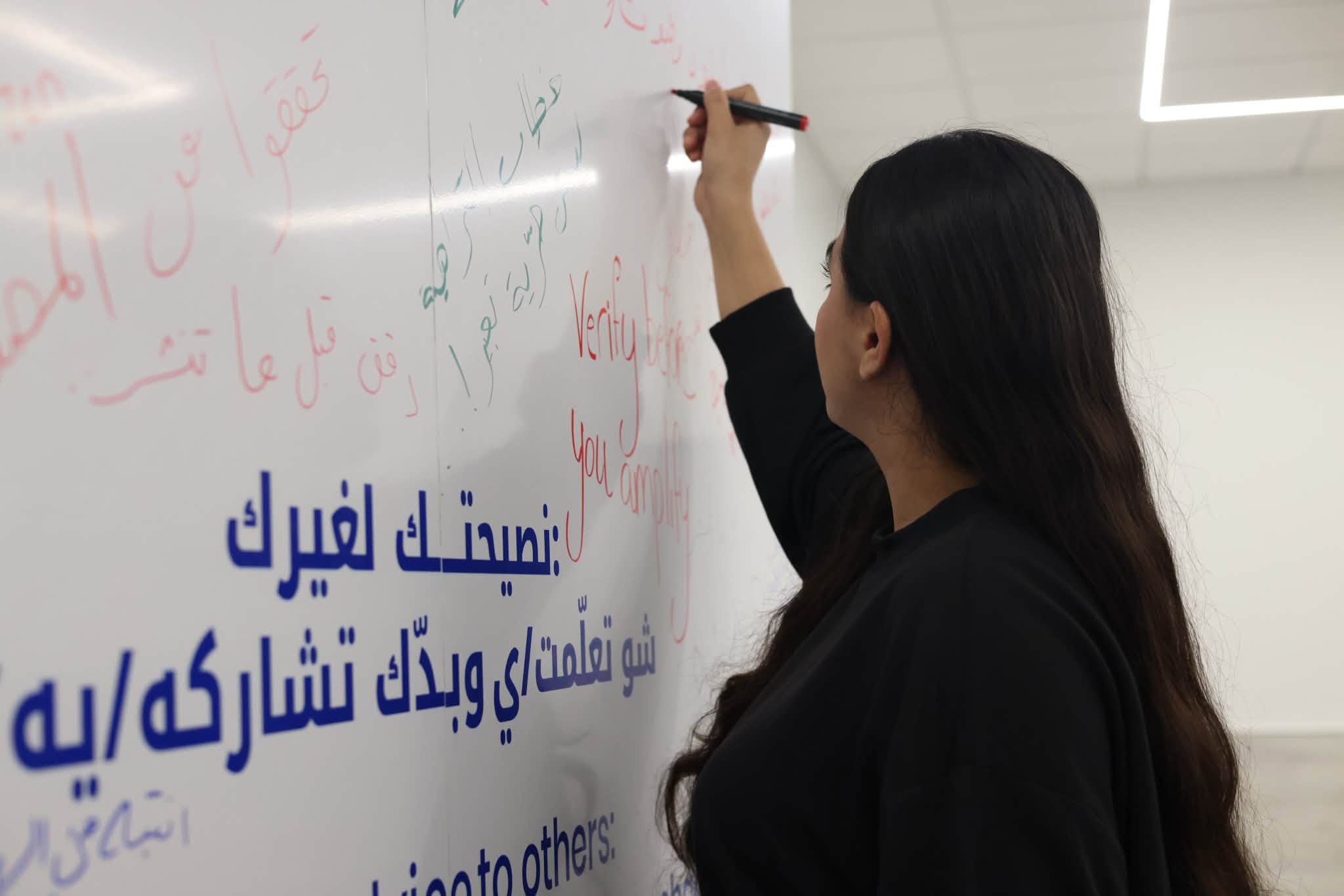
For UNESCO, George Awad, Communication and Information Programme Officer, highlighted that the completion of the project marks the beginning of a new phase for the young people involved. “The end of this project is not the end of your journey. It is where your role begins. You now have the knowledge, skills and tools to make more informed choices, verify information before sharing it, respond responsibly to harmful content and engage with others respectfully.”
He added: “At UNESCO, we believe that empowering young people with media and information literacy skills is an investment in the future of their communities, helping them navigate misinformation, participate responsibly and contribute to more informed, inclusive and resilient societies.”
Nijad Sharffedine, Director General of the Imam Sadr Foundation, said: “Our goal as human beings is to build our country and establish justice through dialogue. Dialogue is the foundation of building societies, particularly Lebanese society. We have a responsibility to question and verify before believing any news or information, and to make this awareness a starting point for building a healthy and forward-looking individual. We need projects like this because they strengthen young people’s awareness and their ability to engage in dialogue with others and respect different points of view.”
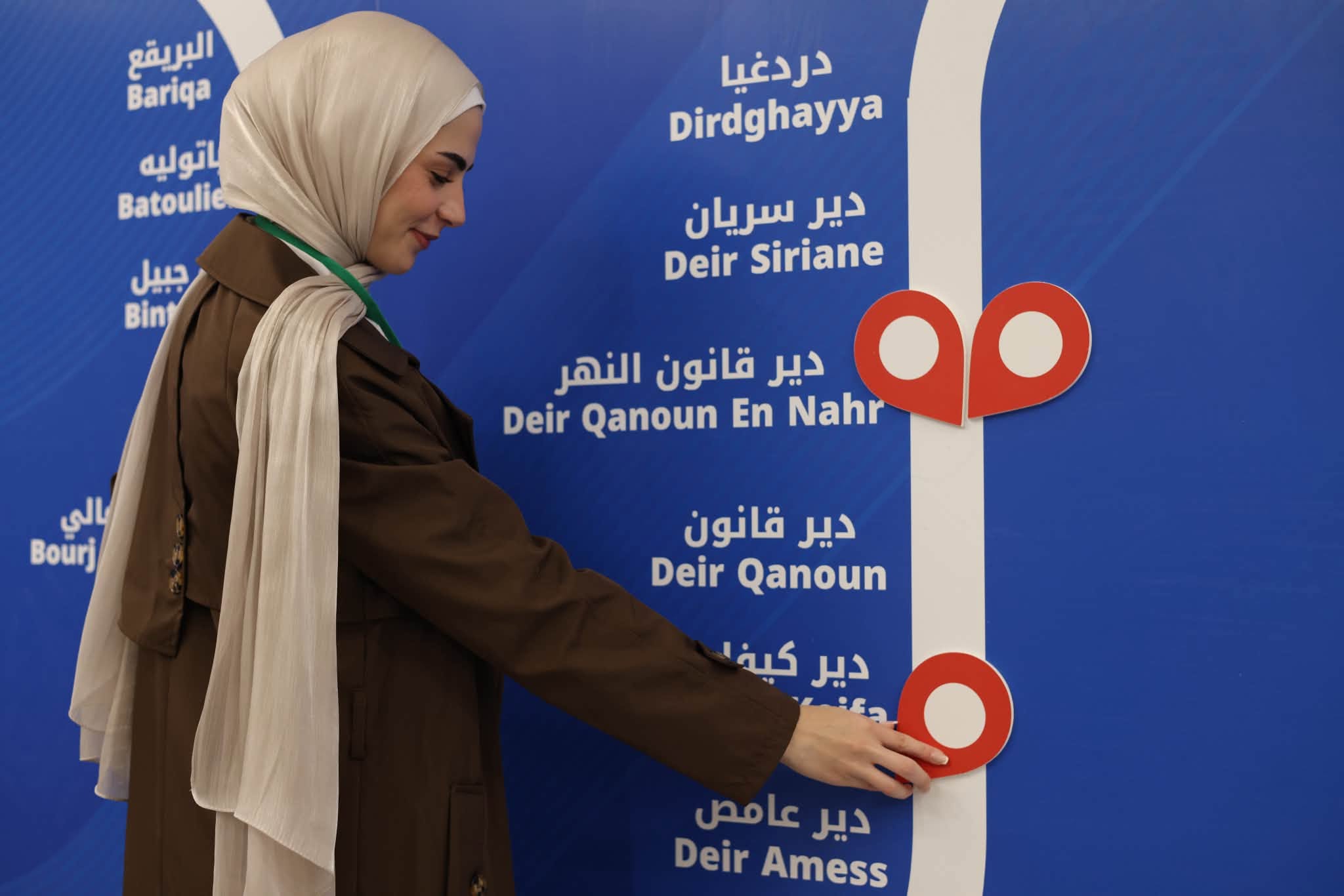
Over two years, the project reached more than 900 young people through activities across more than 115 towns and villages in South Lebanon. Its different phases engaged university students, young content creators, journalists, NGO representatives and local communities, building practical skills to assess information, fact-check content, identify misinformation and disinformation, strengthen cybersecurity awareness and engage responsibly online.
These skills were then taken beyond the training room. Participants were supported to become multipliers and trainers, sharing what they learned with others and extending Media and Information Literacy within their communities. This was particularly valuable during periods of crisis, when misinformation and unverified content can spread rapidly and affect how communities understand and respond to events.
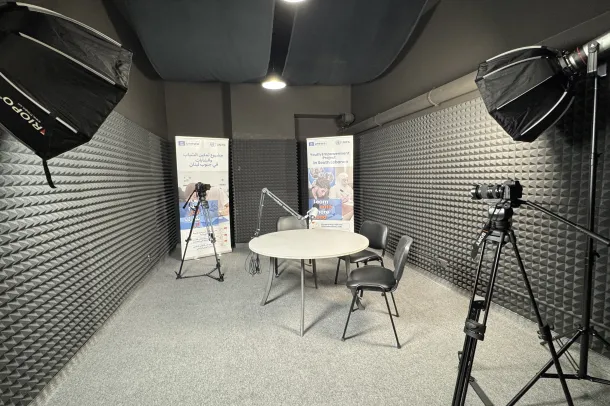
The Youth Media Centre equipped at Imam Sadr Foundation in Tyre builds on this experience by giving young people a dedicated space to turn their skills into action through content creation, storytelling and digital production. Complementing it, the Digital Citizen Hub provides an online space to share content, showcase youth voices and continue learning and engaging around fact-checking, Media and Information Literacy and digital citizenship.
Together, these platforms give the project a lasting foundation, enabling young people to create, verify and share information, while continuing to use the skills and networks developed through the project beyond its two-year implementation.
The project reflects the shared commitment of UNESCO and UNIFIL to empowering young people, strengthening Media and Information Literacy and supporting communities to navigate an increasingly complex information environment with greater awareness, responsibility and resilience.
Media
Comments0
Log in to join the discussion.
Log in